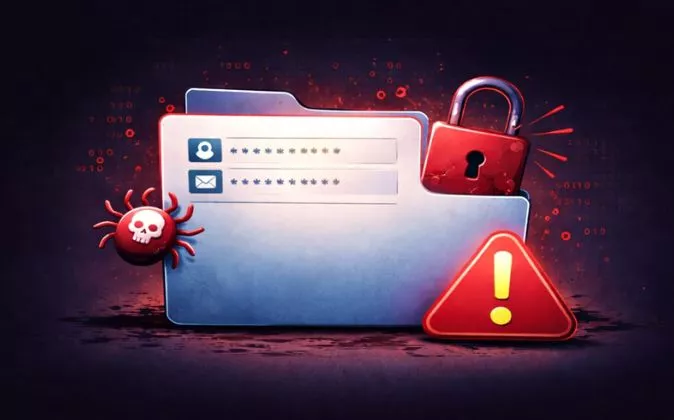
Data breaches in 2026 don’t feel like rare events anymore—they feel like notifications you eventually stop being surprised by. The real problem starts after the breach, when your data quietly circulates where you can’t see it.
After a breach, you need to quickly identify what was leaked—emails, passwords, phone numbers, or payment data. This determines how urgently you need to act and what systems are now at risk of misuse.
Leaked credentials are often reused in automated attacks within hours. Updating passwords, removing reused logins, and enabling stronger authentication helps cut off unauthorized access before it spreads across your digital footprint.
Using NordVPN helps protect your online activity moving forward by encrypting traffic and reducing exposure when logging into sensitive accounts, especially on public or unfamiliar networks where interception risks are higher.
Once data is leaked, it doesn’t disappear—it gets repackaged and resold. Continuous monitoring helps detect when your personal information resurfaces in new breach compilations or underground marketplaces.
Every unnecessary account increases exposure risk. Limiting where your data exists online reduces the chances of it being collected, leaked, or reused in future attacks targeting identity credentials
Modern breaches don’t just leak passwords—they expose interconnected identity data that can be reused across platforms. Attackers now combine AI tools with leaked datasets to automate credential stuffing and identity mapping at scale.
Start by reviewing breach notifications and checking exactly what data was exposed. Whether it’s emails, passwords, or financial details, understanding the scope helps you prioritize actions correctly and respond faster to the most critical risks affecting your accounts.
Immediately update all affected passwords and enable multi-factor authentication wherever available. This blocks attackers from reusing stolen credentials and adds an extra verification step, significantly reducing the chances of unauthorized access even if login details have already been compromised.
Using NordVPN helps protect your activity while securing or monitoring accounts after a breach. Encrypted connections reduce exposure on public or unfamiliar networks, ensuring sensitive logins and recovery steps are less vulnerable to interception or surveillance.
After a breach, attackers often attempt credential stuffing across multiple platforms using the same leaked data. Regularly monitoring account activity and login alerts helps detect unusual behavior early, allowing you to respond quickly before further unauthorized access occurs.
Avery C.
Cybersecurity Analyst
“After my email appeared in a breach list, I realized how fast data spreads. Using NordVPN made me feel more in control while cleaning up accounts.”
Jordan W.
Product Designer
“I didn’t expect how quickly leaked data gets reused. Encrypting my traffic with NordVPN was the first step I took after the breach.”
Taylor S.
Operations Lead
“The hardest part isn’t the breach—it’s what happens after. Having NordVPN running gave me peace of mind while securing everything.”
Sign in to your account