Website Publisher!

The Ultimate Guide to Web Hosting

Shared Hosting or VPS Hosting: Choosing the Best Option for Your Business

Is your business ready for more traffic, better security, and faster performance? Discover when to start with shared hosting and when to upgrade to a VPS to unlock your website’s full potential.

Performance & Resources

Scalability & Growth

Control & Customization

Security & Isolation

Understanding Shared Hosting vs. VPS Hosting

Crucial Differences at a Glance

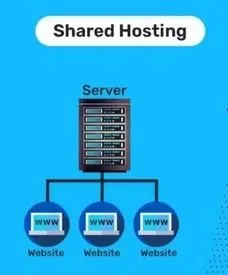
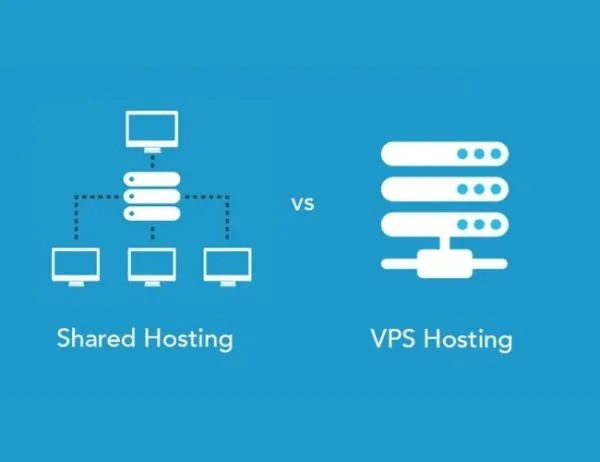
Shared hosting is when your website shares server space and resources like CPU and RAM with many other websites, making it a very affordable and simple option for small sites with low traffic. VPS (Virtual Private Server) hosting, on the other hand, gives your website its own dedicated and isolated section of a server, guaranteeing you consistent resources, better security, and more control, which is ideal for growing businesses and websites with higher traffic. Let’s compare the two based on-

Cost vs. Performance:

Shared hosting is significantly cheaper because you’re splitting the cost with many other users. A VPS costs more but offers superior performance because its resources are guaranteed to you alone.

Security & Control:

On a shared server, a vulnerability on one website can potentially affect others. A VPS provides an isolated, more secure environment and gives you full administrative control to customize your settings and security.

Scalability:

Shared hosting has limited scalability, meaning you can’t easily increase resources as your traffic grows. A VPS can easily be upgraded with more CPU, RAM, and storage as your business scales.

Technical Knowledge:

Shared hosting is managed entirely by the provider, making it ideal for beginners. VPS hosting requires more technical knowledge to manage and configure, although managed VPS plans are available.

Which One Should You Choose?

Making the
Final Decision for Your Business

Deciding between shared hosting and VPS hosting is not about which is “better,” but rather which one is the right fit for your business goals. The key is to evaluate your current needs, anticipated growth, and budget to make a confident decision that supports your online success.

Best-Case Scenarios for Each Type of Hosting

New or Personal Websites

For a new blog, a small business site, or a personal portfolio, shared hosting offers all the features you need at the lowest possible cost. It’s the ideal starting point.

Beginners with Low Technical Knowledge

Shared hosting is the most user-friendly option. The hosting provider manages all server-side tasks, from security to maintenance, allowing you to focus solely on your website’s content and design.

Tight Budgets

It is by far the most affordable hosting solution available. If budget is your top priority and you don’t anticipate high traffic volume, shared hosting provides an excellent entry point.

Growing Businesses & E-commerce

As your website gains traffic, a VPS provides the guaranteed resources and consistent performance needed for a professional online store or a business site that relies on stable uptime.

Developers & Custom Applications

A VPS gives you root access to the server, allowing you to install specific software, configure your server environment, and customize settings to meet the unique requirements of your application or development project.

Hear From Our Customers

Discover what real customers have to say about building their online presence with us.

Rated 5 out of 5

“I was completely new to web hosting and felt overwhelmed. The shared hosting plan was the perfect place for me to start. It was affordable, easy to set up, and I had my website live in no time. Their support team was a lifesaver whenever I had a question.”

Maria Sloan

Blogger