Why the Journey Between New York and Washington DC Feels Surprisingly Easy
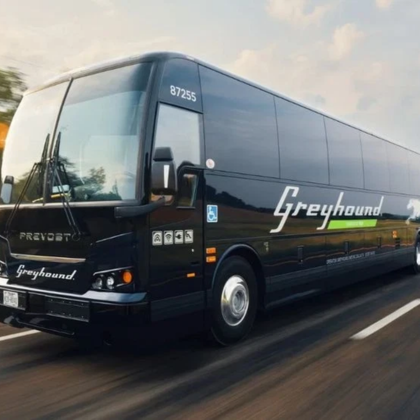
Traveling between New York and Washington DC sounds intense on paper—but Greyhound turns it into a straightforward, no-drama ride down the East Coast. No airport security lines, no rental car stress, just a seat, a window, and a long stretch of interstate rhythm.
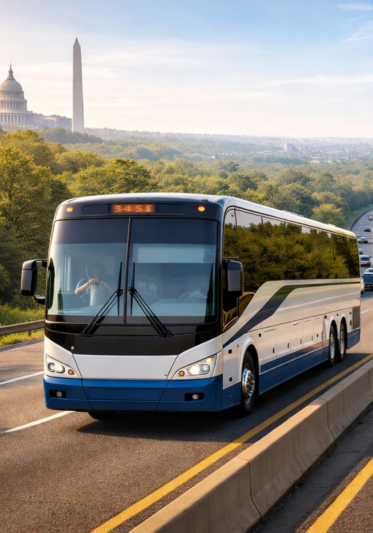
One minute you’re in Manhattan chaos, and a few hours later you’re rolling into political calm and monument-filled streets. The contrast hits hard—but in the best way possible, like switching channels from noise to clarity without any effort.
What You Need to Know Before You Book the NYC to DC Route
Typical Ticket Price Range in 2026
Daily Schedule Frequency and Peak Times
Travel Duration and Traffic Factors
Best Time to Book Cheap Tickets
Onboard Comfort and Seating Options
Station Pickup and Drop-off Points
Early Booking Saves More
Booking 3–7 days in advance often locks in the lowest fares, especially for weekday departures under low-demand travel windows across the route.
Typical Ticket Price Range in 2026
Budget-Friendly City Connector
Prices on the New York to Washington DC Greyhound route usually range between $25 and $85 in 2026, depending on how early you book and the time of travel. Off-peak weekday tickets are cheaper, while weekends, holidays, and evening departures tend to push fares higher due to increased demand across this busy East Coast corridor overall.
Flexible Dates Help
Shifting your departure by a few hours or choosing midweek travel can easily reduce ticket costs by 10–30% on average pricing.
Rush Hours Matter
Morning and evening departures between 6–9 AM and 4–7 PM fill quickly due to commuter-heavy demand across the corridor daily.
Midday Is Quieter
Midday buses around late morning to early afternoon are typically less crowded and offer a more relaxed onboard travel experience overall.
Daily Schedule Frequency and Peak Times
Buses Running All Day Long
Greyhound operates frequent daily departures between New York and Washington DC, with buses running roughly every 1–2 hours during peak travel periods. This gives travelers strong flexibility, whether they prefer early morning starts, midday departures, or late-night options. The high frequency makes it easy to plan even last-minute trips without long waiting gaps.
Short But Traffic-Sensitive Ride
The journey between New York and Washington DC usually takes around 4.5 to 6.5 hours depending on traffic, weather, and stop frequency. While the distance is direct, congestion along highways like I-95 and urban exits can significantly impact arrival time, especially during peak weekday rush hours or holiday travel surges throughout the year.
Travel Duration and Traffic Factors
I-95 Defines the Flow
Most of the trip follows Interstate 95, a heavily used corridor that connects major East Coast cities and carries constant traffic volume daily.
Delays Can Happen
Accidents, construction zones, and city entry congestion in both NYC and DC are the most common causes of unpredictable delays overall.
Weekday Advantage
Tuesday and Wednesday departures usually offer the cheapest fares, often 15–25% lower than weekend travel pricing across the same route.
Avoid Peak Travel Surges
Holiday weekends, major sports events, and conferences in NYC or DC can quickly push fares upward across all departure times.
Best Time to Book Cheap Tickets
Timing Is Everything
Booking early is the best way to secure low fares on this route, with prices often starting around $25–$40 when booked in advance. However, last-minute tickets can rise above $80, especially during weekends or holiday periods. Demand spikes heavily during events in either city, making early planning essential for budget travel consistency.
Simple but Functional Travel Setup
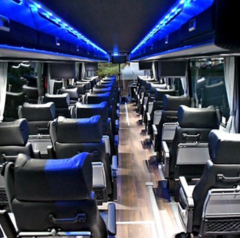
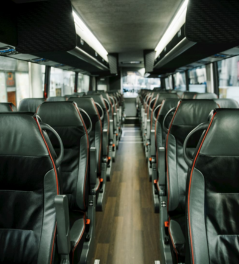
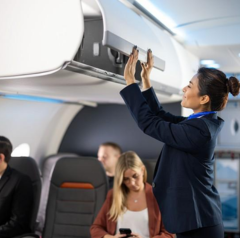
Greyhound buses on this route are designed for practical mid-range comfort, offering standard seating, overhead storage, and enough legroom for a 4.5–6.5 hour journey. While not luxury travel, the setup is reliable, with air conditioning and restroom access on most buses, making the ride manageable for both short-notice and planned trips overall.
Onboard Comfort and Seating Options
Window Seats Feel Better
Window seats make the ride more engaging, offering better views of highways, small towns, and East Coast landscapes throughout the journey.
Bring Small Essentials
Bringing snacks, headphones, a charger, and water helps maintain comfort, especially during traffic delays or longer-than-expected travel times.
Easy Urban Access
Both terminals are located in central urban areas, allowing quick transitions into city transport systems within minutes of arrival or departure.
Clear Signage Helps Navigation
Stations are structured with clear directional signage, making boarding, transfers, and exits straightforward even for first-time or rushed travelers overall.
Station Pickup and Drop-off Points
Major City Terminals Only
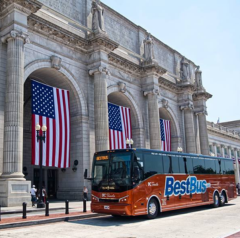
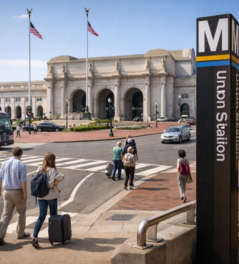
In New York, departures typically leave from the Port Authority Bus Terminal, while Washington DC arrivals are at Union Station. Both are central transit hubs with strong connectivity. These stations are designed for high passenger flow and offer easy access to subways, commuter trains, taxis, and rideshares immediately after arrival or before departure.
Where the Road Takes You Next
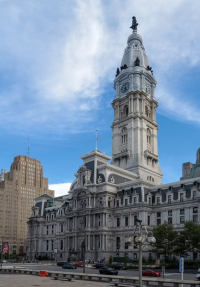
Philadelphia for historic landmarks and city energy
Baltimore for waterfront views and culture
Boston for academic charm and coastal history
Richmond for Southern heritage and art scenes
Pittsburgh for bridges, rivers, and steel city vibes