The Florida Shift You Don’t Really Notice Until It Happens
This isn’t a dramatic journey—it’s a slow, almost invisible transformation. You start in Miami where everything feels loud, coastal, and fast. Then somewhere along Florida’s long highways, the noise fades and space opens up.
With Greyhound, the trip becomes a kind of reset button. No driving fatigue, no toll stress—just a straight corridor through the state while the scenery gradually trades beaches for billboards and eventually, roller coasters. By the time Orlando shows up, it doesn’t feel like arrival. It feels like the next chapter already waiting.
In 2026, Greyhound fares between Miami and Orlando typically range from $24 to $45 depending on demand, booking time, and travel season. It remains one of the most affordable ways to cross central Florida without worrying about fuel costs, rental cars, or unpredictable highway toll expenses across busy intercity routes.
How Much Tickets Cost in 2026
Early Clicks Win the Game
Booking early helps secure lower fares before seats fill up and prices start rising closer to departure dates across this high-demand corridor.
Last Minute = Higher Price Tag
Waiting until the last moment usually means fewer discounted seats available, which pushes ticket prices higher for travelers booking late.
Highways Do Most of the Work
The journey mainly follows long interstate highways, making it a direct and predictable route across central Florida for most of the trip.
Traffic Can Stretch Everything
Even minor congestion near city zones can significantly increase travel time, especially during peak hours and busy commuter periods throughout the day.
How Long the Ride Really Takes
Longer Than It Looks on the Map
The Miami to Orlando trip usually takes around 4 to 6 hours, depending on traffic, weather conditions, and ongoing roadwork along Florida’s major highways. Even small delays can shift arrival times, making flexibility important for travelers who want a smoother, less stressful intercity experience across this route.
All-Day Movement Between Cities
Greyhound runs multiple departures daily between Miami and Orlando, giving travelers flexible options whether they plan ahead or book spontaneously. Morning trips tend to feel calmer and more relaxed, while evening departures attract commuters and budget-focused travelers looking for convenient end-of-day travel options across Florida.
When Buses Are Easiest to Catch
Midday Feels Less Crowded
Late morning and midday buses usually have fewer passengers, offering a quieter and more comfortable travel experience overall.
Evenings Bring More Travelers
After-work departures tend to fill quickly, as commuters and budget travelers choose later buses for convenience.
Weekday Advantage Is Real
Traveling during weekdays usually results in lower fares due to reduced demand across the Miami to Orlando corridor.
Holiday Spikes Hit Hard
During holidays and peak travel seasons, ticket prices increase sharply as more passengers compete for limited seats.
When Prices Drop (and Rise Fast)
Timing Changes Everything
Ticket prices fluctuate frequently on this route, with midweek travel—especially Tuesday and Wednesday—often offering the lowest fares. Weekend and holiday periods bring higher demand, which causes prices to rise quickly, making flexible scheduling a major advantage for travelers trying to save money on intercity trips.
Simple, No-Nonsense Travel
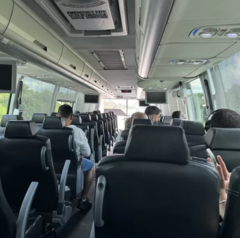
Greyhound buses on this route focus on practicality, offering reclining seats, air conditioning, and space for luggage suited for short-to-mid Florida trips. It’s not luxury travel, but it delivers a reliable and straightforward experience designed for comfort, affordability, and efficiency across the Miami to Orlando corridor.
What the Bus Ride Feels Like
Bring Your Own Comfort
Small essentials like headphones, snacks, and a phone charger can significantly improve comfort during the ride.
Window Seat Changes Everything
A window seat transforms the journey into moving scenery, making highway stretches more visually engaging and enjoyable.
Easy City Transitions
Both cities offer fast connections into urban transit systems, helping passengers reach hotels, attractions, or neighborhoods efficiently after arrival.
No Confusing Transfers
Station layouts are straightforward and designed for quick movement, so passengers can navigate exits and connections without confusion or stress.
Where You Actually Get Dropped Off
Two Busy Florida Hubs
Arrivals in Miami and Orlando typically connect through major transportation hubs, making it easy to continue traveling through local buses, rideshares, or shuttle services. These stations are designed for smooth passenger flow, ensuring travelers can quickly transition from intercity travel into local city movement without unnecessary delays.
Where the Road Takes You Next
Fort Lauderdale for beach walks and nightlife energy