Website Publisher!

Luxury vs. Budget Cars: What Should You Choose?

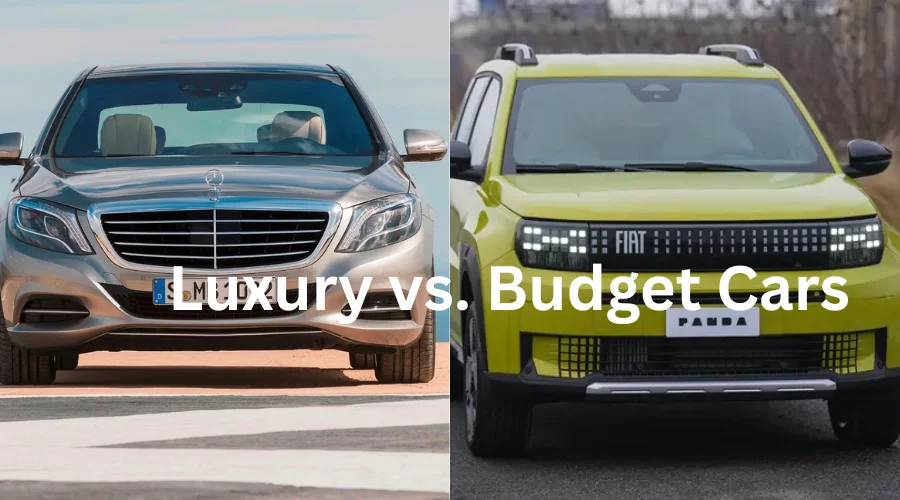
When purchasing a new car, the choice between a luxury vehicle and a budget-friendly model can be a tough decision. Luxury cars offer premium comfort, advanced technology, and refined performance, while budget cars appeal with affordability, practicality, and lower ownership costs. Whether you’re looking for prestige or value, understanding what each category offers helps align your purchase with your priorities. This blog compares the essential differences in features, costs, and ownership experience to help you decide whether a luxury or budget car is the smarter investment for your lifestyle, needs, and financial goals.

Comparison Table: Luxury Cars vs. Budget Cars

Feature

Luxury Cars

Budget Cars

Price Range

High

Low to Moderate

Interior Materials

Premium leather, wood, metal

Cloth, plastic, basic materials

Technology

Advanced infotainment, driver aids

Basic tech, essential features

Performance

High horsepower, smooth ride

Efficient, practical performance

Maintenance Costs

Expensive parts, higher service fees

Affordable servicing and repairs

Resale Value

Often depreciates faster

Slower depreciation, better resale

Insurance Costs

Higher due to vehicle value

Lower premiums

Fuel Efficiency

Often lower due to the performance engines

Generally better for daily driving

Brand Prestige

High-end brand recognition

Focused on reliability and economy

Major Feature Differences Between Luxury and Budget Cars

1.Interior Quality and Comfort

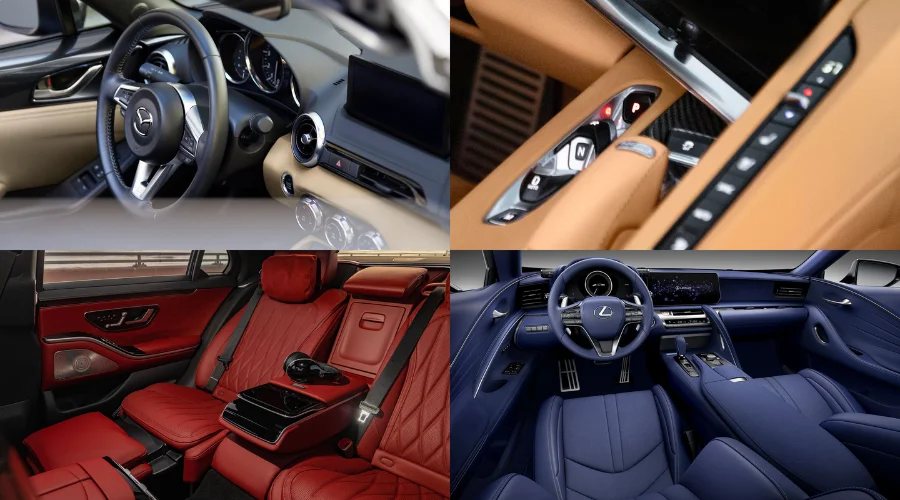
Luxury cars shine in cabin refinement, offering soft-touch materials, leather upholstery, ambient lighting, and noise insulation for a premium experience. Seats are often heated, ventilated, and even massaging in top-tier models. In contrast, budget cars stick to functional materials like cloth seats and plastic trim. While some budget vehicles offer decent comfort, they lack the plushness, spaciousness, and craftsmanship found in high-end models. If driving feels like an experience for you, the refined interiors of luxury cars are hard to match. However, if you’re focused on purpose and price, budget interiors still provide comfort and simplicity.

2. Technology and Infotainment

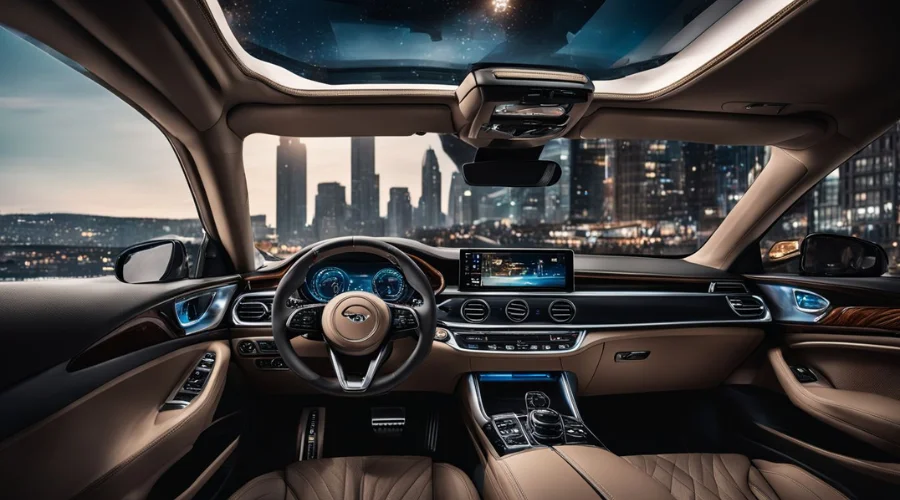
Luxury cars often lead with cutting-edge technology—large digital displays, premium sound systems, AI-enhanced infotainment, and advanced driver-assistance systems like adaptive cruise control and lane-keeping. Some even feature heads-up displays and gesture control. Budget cars include essential tech such as Bluetooth, reverse cameras, and modest touchscreens. While perfectly functional, budget car tech is geared toward utility rather than innovation. The tech gap has narrowed over time, but luxury vehicles remain ahead in sophistication and seamless user experience. If you’re tech-savvy or enjoy convenience at your fingertips, luxury cars deliver far more innovation than their budget-friendly counterparts.

3. Performance and Driving Dynamics

Luxury cars deliver smoother rides, better acceleration, and enhanced handling thanks to more powerful engines, adaptive suspensions, and advanced drivetrain technologies. Whether it’s a sports sedan or a luxury SUV, the driving experience feels refined and responsive. Budget cars prioritize efficiency and practicality, with smaller engines and standard suspension setups. They’re great for daily commutes but may lack the thrill or smoothness luxury models provide. For drivers who enjoy performance and want a dynamic, quiet ride, luxury cars provide superior satisfaction. Budget vehicles, however, get the job done reliably without the extras that push costs higher.

4. Cost of Ownership and Maintenance

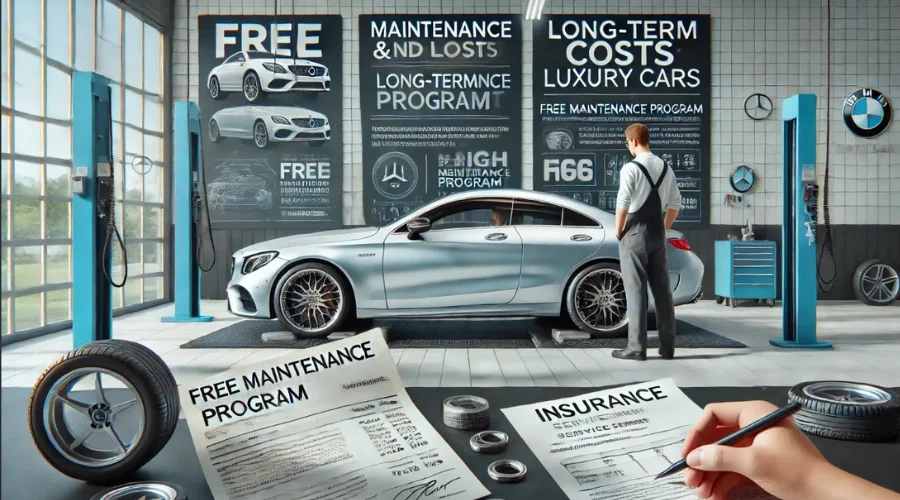
Owning a luxury car involves higher expenses beyond the purchase price—insurance premiums, costly repairs, premium fuel, and specialized servicing all add up. Luxury brands may offer free maintenance for a few years, but long-term costs remain high. Budget cars boast low maintenance needs, inexpensive parts, and better fuel economy. They’re ideal for cost-conscious drivers who want reliable transport without frequent service center visits. Over time, owning a budget car can result in significant savings, especially if your daily commute is extensive. While luxury cars offer unmatched features, their higher upkeep may not suit every wallet.

5. Brand Perception and Resale Value

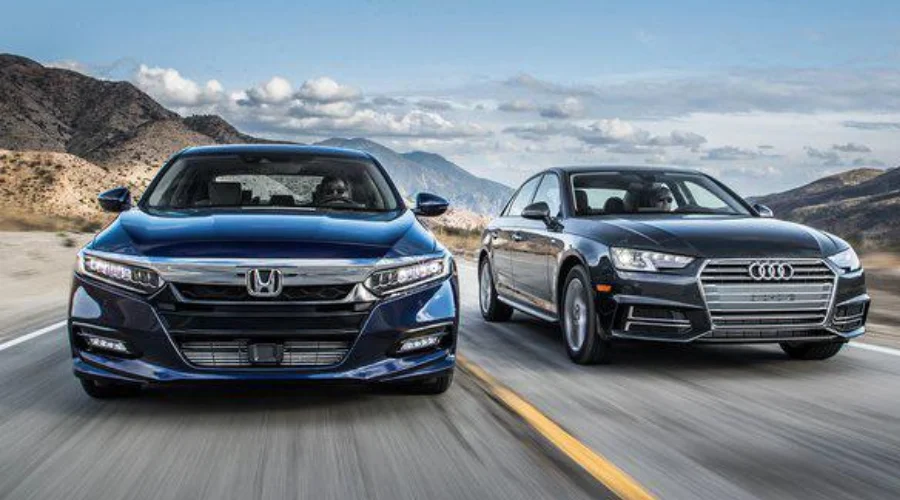
Luxury cars carry prestige and status—owning a Mercedes, BMW, or Lexus can enhance your image and reflect success. However, many luxury cars depreciate faster due to higher sticker prices and rapid tech evolution. Budget cars hold their value better over time, especially brands known for reliability like Toyota or Honda. For resale, budget cars can offer a higher percentage return on investment. If you’re buying for status or emotional appeal, luxury brands deliver. But if long-term value matters more, budget cars often win. The choice depends on whether you prioritize reputation or financial logic.

Conclusion

Making the right vehicle choice means balancing needs, desires, and budget. Don’t just follow brand names—assess what matters to you. Is it comfort and technology, or reliability and savings? Test-drive both options, calculate the total cost of ownership, and consider resale value and personal lifestyle. Use online calculators, compare specs, and read owner reviews. Prioritize safety ratings and fuel economy if you’re a daily commuter. Always factor in insurance and maintenance in your budgeting. A smart car decision isn’t always about luxury—it’s about maximizing satisfaction for the price you pay.