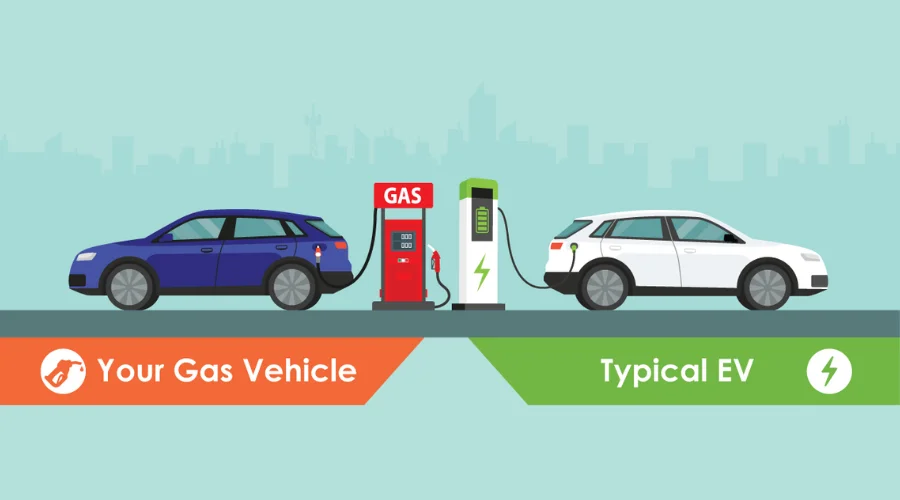
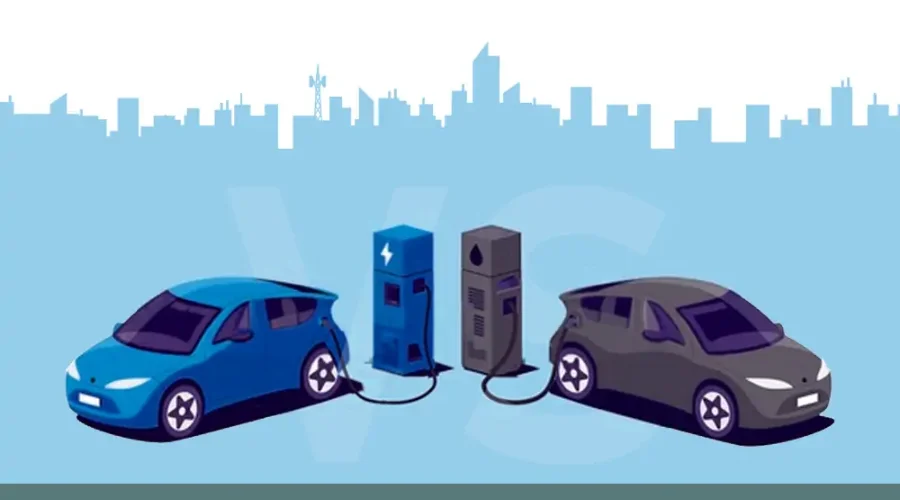
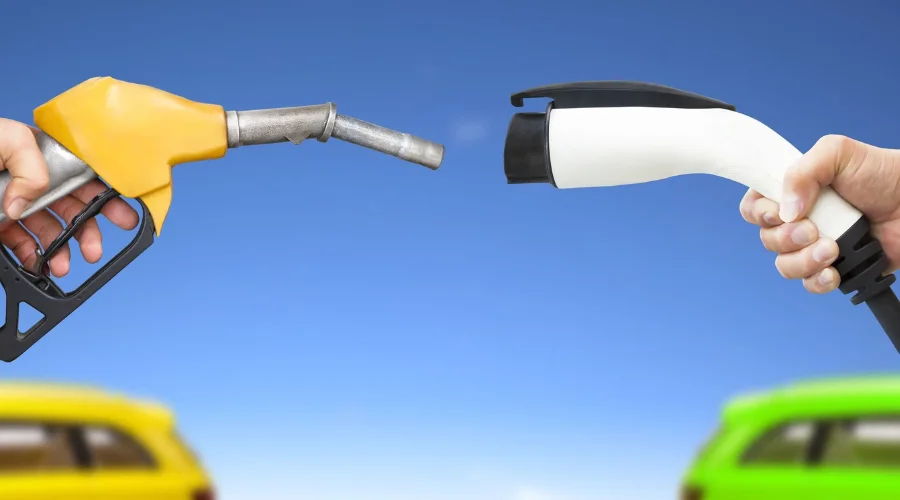
Thinking about ditching the pump or keeping it old school? Welcome to the big leagues—where gas cars meet their futuristic rival: electric vehicles (EVs). Whether you crave that engine growl or the silent zap of instant torque, this isn’t just about how you drive—it’s about how you live. So buckle up. We’re putting gas and electric cars head-to-head in a no-fluff, no-BS breakdown. Let’s find out who really owns the road in 2025 and beyond.
Feature | Gas Cars | Electric Cars |
Average Starting Price | $25,000 – $35,000 (varies by brand/model) | $35,000 – $55,000 (before incentives) |
Fuel/Energy Cost | $2.50 – $5.00 per gallon; ~$150–$250/month | ~$0.10 – $0.14/kWh; ~$40–$60/month (home charging) |
Annual Maintenance Cost | $800 – $1,200 (oil, filters, spark plugs, etc.) | $300 – $600 (tires, brakes, occasional battery check) |
Average Driving Range | 350 – 500+ miles per tank | 200 – 350 miles per full charge |
Refueling/Charging Time | 5 – 10 minutes at gas station | 30 mins (fast charging) / 6–10 hrs (home charging) |
Lifespan (Powertrain) | 150,000 – 200,000 miles with regular maintenance | 200,000+ miles; batteries often last 8–15 years |
Environmental Impact | Higher CO₂ emissions; relies on fossil fuels | Zero tailpipe emissions; cleaner with renewable power |

Certified Pre-Owned (CPO):
Gas Cars:
Gas-powered cars still dominate in terms of long-range driving comfort and the visceral experience of acceleration, especially in sports and performance models. The engine roar, gear shifts, and road feel create a classic driving experience that many purists swear by. They’re also better suited for highway cruising with predictable refueling. However, they lag behind EVs in instant torque and seamless acceleration, especially at lower speeds.
Electric Cars:
Electric cars deliver lightning-fast torque, ultra-smooth acceleration, and whisper-quiet rides. There’s no waiting for the engine to rev—power is immediate. Handling is often more balanced due to the low center of gravity, thanks to battery placement. EVs redefine performance, especially in city driving and quick takeoffs. However, range anxiety and charging time can limit confidence for long-distance travel unless you plan well.
Certified Pre-Owned (CPO):
Gas Cars:
Gasoline vehicles win when it comes to refueling speed and availability. Filling up at any of the thousands of gas stations nationwide takes just a few minutes. Road trips are simpler, with no need to plan around charging stations. However, you’re at the mercy of fluctuating fuel prices and long-term costs tied to fossil fuels. Gas cars rely on an aging infrastructure and nonrenewable energy sources.
Electric Cars:
EVs require more patience, especially on longer drives. While home charging is ultra-convenient, public chargers can vary in availability and speed. Fast-charging stations are expanding, but are still limited in rural areas. Planning is essential for long-distance trips. The tradeoff? You skip the gas station altogether during daily commutes, save money over time, and charge overnight while you sleep. EVs are cleaner, quieter, and built for forward-thinking drivers.
Certified Pre-Owned (CPO):
Gas Cars:
Gas vehicles usually have a lower sticker price, especially for entry-level models. But the long-term cost can rise quickly with fuel, maintenance (think oil changes, exhaust systems), and repairs. Over time, they can become more expensive to operate—especially as fuel prices rise and parts wear down. Still, they’re easier to find and finance, making them accessible to many buyers today.
Electric Cars: EVs may cost more upfront but save big over time. Lower energy costs, fewer moving parts, and minimal maintenance make ownership cheaper in the long haul. You won’t pay for oil changes, spark plugs, or timing belts. Federal and state tax incentives also sweeten the deal. As battery prices fall and charging infrastructure grows, EVs are closing the cost gap—and in many cases, pulling ahead.
Gas Cars:
Gasoline engines are major contributors to air pollution and greenhouse gas emissions. Burning fossil fuels releases CO₂ and other pollutants harmful to both the planet and public health. While modern engines have become cleaner and more efficient, they still rely on a nonrenewable energy source that’s gradually being phased out. In short, gas cars leave a bigger carbon footprint and don’t align with long-term sustainability goals.
Electric Cars: EVs are much cleaner—zero tailpipe emissions mean better air quality and fewer greenhouse gases. Even when accounting for battery production and electricity generation, most EVs are still greener over their lifetime. As the power grid becomes more renewable (think wind, solar, hydro), EVs get even better for the planet. They’re the best choice for eco-conscious drivers who want to reduce their impact without sacrificing performance.
Gas Cars:
Gas-powered cars come with a more complex drivetrain—engines, transmissions, exhaust systems, oil systems, and more. This means more parts that can wear out and require service. Regular maintenance like oil changes, timing belts, spark plugs, and emissions checks adds to ongoing costs. Over time, repair frequency and cost can rise, especially for older vehicles past warranty.
Electric Cars: EVs are mechanically simpler, with fewer moving parts and far less that can go wrong. No oil changes, fewer fluids, and less routine service mean lower maintenance costs. Regenerative braking even helps reduce brake wear. While batteries can be costly to replace, most come with warranties that cover 8–10 years. Overall, EVs tend to be more reliable and need fewer trips to the mechanic.
Gas cars bring familiarity, lower upfront costs, and a longer fueling range. Electric vehicles offer superior performance, cleaner energy, and lower long-term costs. Choosing between them depends on your lifestyle—daily commutes, travel needs, and budget. As EV tech advances and infrastructure grows, the gap keeps closing. But whichever you choose, CarGurus helps you find the right car, at the right deal, with full confidence.
Sign in to your account