Sedan vs. SUV: Which One Suits Your Lifestyle Best?
Choosing between a sedan and an SUV often depends on your lifestyle, preferences, and driving needs. Sedans are known for their fuel efficiency, sleek design, and smooth handling—perfect for urban commuters and highway drivers. SUVs, on the other hand, offer higher ground clearance, spacious interiors, and versatile utility ideal for families, off-road enthusiasts, or those needing extra cargo room. Whether you prioritize comfort, cost, or capability, understanding the key differences can help you make an informed decision. In this comparison, we break down the most important distinctions to help you decide which vehicle truly fits your everyday life.
Sedan vs SUV- An overall overview
Feature
Sedan
SUV
Size
Compact to mid-size
Mid-size to full-size
Fuel Efficiency
Generally higher
Typically lower
Ground Clearance
Low
High
Cargo Space
Moderate
Large
Passenger Capacity
Usually 4–5
5–8 depending on model
Maneuverability
Easier in cities
Can be bulkier in tight spaces
Safety Features
Standard
Often more advanced
Off-Road Capability
Limited
Strong in many models
Towing Capacity
Low
High
Price Range
More affordable
Generally more expensive
The Key Feature Differences Between Sedans and SUVs You Should Know
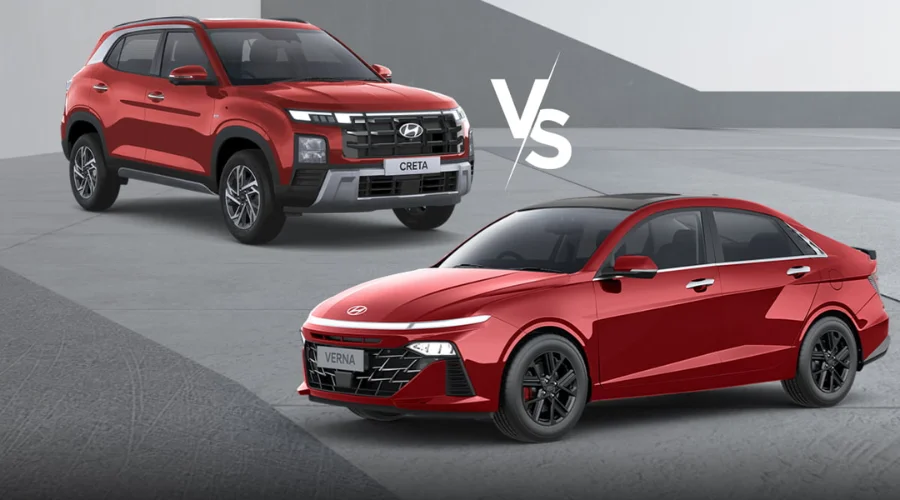
Sedans are generally more compact, designed for smooth city roads and easy parking. Their lower ground clearance gives them better aerodynamics and handling on highways. In contrast, SUVs are larger and stand taller, offering superior road visibility and presence. The high ground clearance of an SUV makes it ideal for uneven roads, potholes, and even mild off-roading. However, this added height can also make entry and exit slightly more difficult for some passengers. While sedans feel more agile and low-slung, SUVs provide a commanding driving position, making them a preferred choice for families and those needing extra space.
One of the major advantages of sedans is their fuel efficiency. Thanks to their lighter frames and sleeker design, sedans consume less fuel, making them more cost-effective for long-term ownership—especially for daily commutes or long-distance travel. SUVs, due to their heavier build, higher drag, and sometimes four-wheel-drive systems, typically have lower miles per gallon. While modern SUV designs have improved fuel economy with hybrid models, they still lag behind sedans in efficiency. For drivers prioritizing eco-friendliness and savings at the pump, sedans are generally the better option unless an SUV hybrid or EV is specifically chosen.
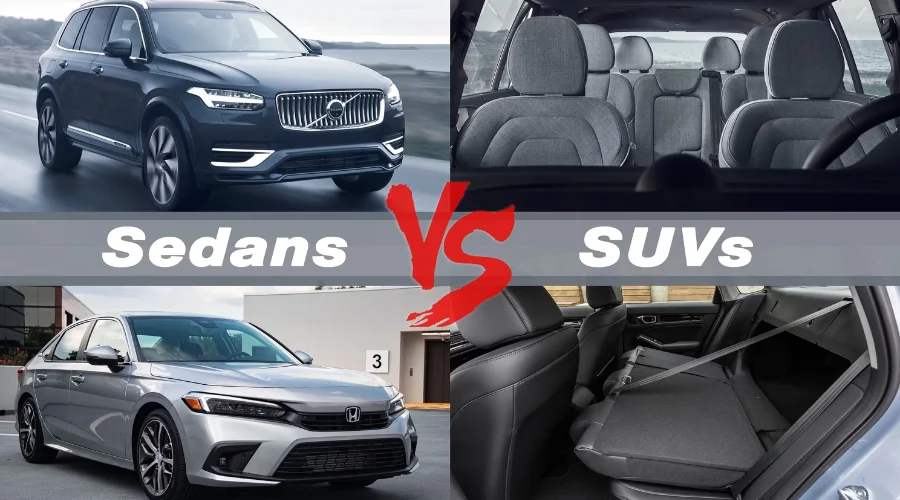
Sedans offer a decent amount of space for passengers and luggage, typically seating up to five people comfortably. The trunk provides ample storage for everyday needs like groceries or small luggage. However, when it comes to bulkier items or more passengers, SUVs have the upper hand. With larger interiors, SUVs often seat up to seven or eight people and offer foldable rear seats to expand cargo space. This makes them ideal for road trips, transporting equipment, or accommodating large families. The versatility of SUVs in space and layout makes them more adaptable to lifestyle and travel demands.
Sedans are not built for rugged terrain or towing heavy loads. Most sedans are front-wheel-drive and lack the suspension systems necessary for off-road adventures or high towing capacities. On the other hand, many SUVs are equipped with all-wheel or four-wheel drive, rugged chassis, and enhanced suspension systems that allow them to perform well off-road. In addition, SUVs can often tow trailers, boats, or other recreational vehicles, depending on engine size and build. This makes SUVs a practical option for those with adventurous lifestyles or frequent outdoor needs, while sedans remain optimal for urban and suburban use.
When it comes to affordability, sedans typically have a lower purchase price, as well as reduced fuel, insurance, and maintenance costs. Their simpler mechanics and lighter design mean fewer breakdowns and lower expenses over time. SUVs, due to their larger size and advanced features, usually come with a higher price tag. Additionally, repairs, tire replacements, and fuel costs can be significantly higher. Insurance premiums for SUVs may also rise due to the increased risk associated with larger vehicles. While SUVs provide more utility and power, sedans offer budget-conscious buyers a more economical and low-maintenance vehicle choice.
Conclusion
Both sedans and SUVs come with unique strengths tailored to different lifestyles. Sedans excel in fuel efficiency, ease of driving, and affordability—ideal for city dwellers and daily commuters. SUVs shine in terms of space, versatility, and rugged capability—perfect for larger families, outdoor adventures, or those needing more room and power. Your choice ultimately depends on what matters most to you—comfort, economy, utility, or performance. Take a test drive, compare features that align with your needs, and choose a vehicle that enhances your driving experience while fitting seamlessly into your lifestyle.